
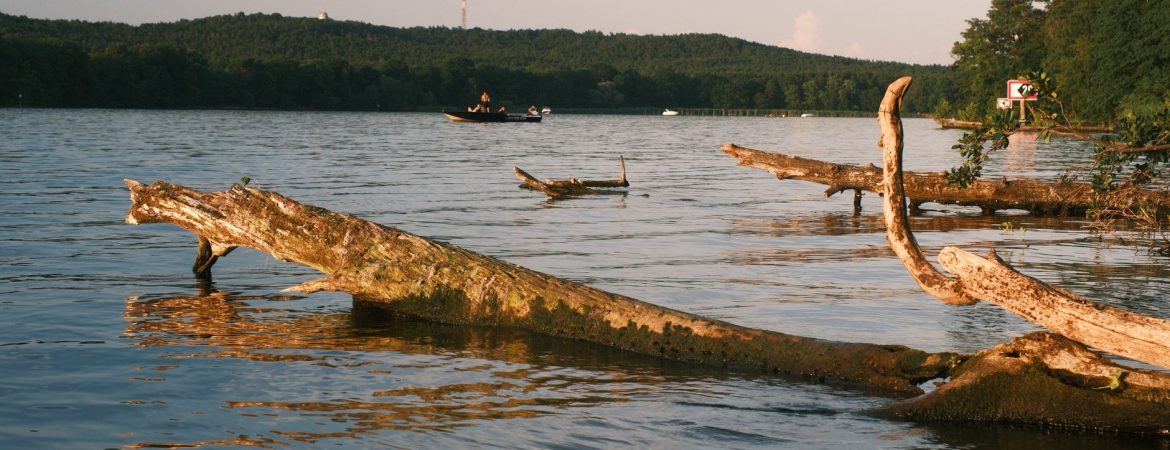
A weekend cottage is used maybe forty or fifty days a year, and the plumbing is designed around that. A full-time home is used three hundred and sixty-five. The house may look the same from the road, but the pipes, tank, and septic field behind the walls are being asked to do a completely different job. Many lakeside camps around Putnam Lake in Patterson are making exactly this switch, and the plumbing is usually where the surprises show up.
Weekend Camp Plumbing vs. Full-Time Household Demand
Before: one or two people, a couple of short showers, a few dishes, and a toilet that sees light use. Water is turned on Friday and off Sunday. After: morning showers back to back, laundry several times a week, a dishwasher, and cooking every day. Nothing in a camp was sized for that, so the first step in any conversion is an honest tally of what the household will actually draw and discharge.
Drain-Down Winterizing vs. Permanent Freeze Protection
Winterizing a camp means emptying it: shutting the main, opening taps, blowing out lines, and pouring antifreeze in the traps. That works only because nobody is home. Once people live there through January, the pipes must hold water and stay above freezing on their own. That means insulating exposed runs in crawlspaces and outside walls, sealing air leaks near lines, and sometimes rerouting piping that was never meant to be in an unheated space.
Part-Time Septic Load vs. Daily Family Use
Small septic systems on older lake lots were often sized for occasional occupancy. A tank that rested all week can struggle when it receives daily laundry and bathing, because the volume arrives faster than the system can treat it. Warning signs include slow drains, gurgling, soggy ground over the field, and odors outdoors. Before moving in full time, it makes sense to have the tank inspected and pumped, and to confirm the system’s capacity matches the number of bedrooms and people.
A Small Tank Heater vs. Hot Water Sized for Real Life
A twenty- or thirty-gallon heater is fine for a weekend of quick rinses. For a family it means cold water halfway through the second shower. A household usually needs a larger tank or a tankless unit, along with the right venting, gas or electrical supply, and space. The heater should also be placed somewhere that stays heated in winter, not in a corner of an uninsulated utility closet.
Original Thin-Gauge Lines vs. Updated Supply Piping
Camp-era plumbing often includes thin copper, galvanized steel, or add-on lines built up over decades with whatever was available. Under occasional use, these can hide problems. Under constant pressure and flow, corroded sections narrow, joints weep, and pressure drops when two fixtures run at once. Repiping the worst stretches, or the whole house, with modern copper or PEX can improve flow and remove the risk of a failure while the house is occupied or, worse, empty for a winter weekend.
Because these pieces interact, a conversion is rarely a single swap. Heater size affects supply lines, supply lines affect pressure, and added water use affects the septic. Getting a licensed Plumber Putnam Lake, NY to assess the whole system before work starts helps catch code issues, permit needs, and hidden problems that a quick walkthrough would miss.
The Seasonal Shutoff Routine vs. Plumbing That Never Takes a Break
The old routine had a rhythm: open up in spring, close down in fall. Continuous service replaces that with different habits. Shutoff valves should be tested and labeled, the main needs to be easy to reach, and sump or pressure equipment, if present, needs to be reliable year-round. Small leaks that once dried out between visits now run constantly, so a monthly look at the water meter, under sinks, and around the heater becomes part of owning the house.
Planning the Changeover
Do the inspections first, spend on the biggest risks next, and schedule the work before the first hard freeze rather than after it. A few points to carry forward:
- Inspect the septic system and supply lines before moving in full time.
- Protect pipes from freezing instead of draining them.
- Size the water heater for the household, not the cottage.
- Bring in a licensed local pro for anything involving the septic, repiping, or permits.